About the Division of Adolescent and School Health | National Center for Chronic Disease Prevention and Health Promotion (NCCDPHP)

What we do
In the United States, schools reach more than 50 million students in grades K–12, providing a unique opportunity to support nearly all young people and improve their mental, physical, and behavioral health. DASH works to:
- Improve child and adolescent access to quality health and physical education, school-based health services, and school environments that support health and well-being, with additional attention on health disparities.
- Improve data collection and dissemination to help schools and educators make informed decisions to support adolescent health.
- Use data and science to drive action to address the most important issues among young people, including the current mental health crisis. Schools are on the frontlines of this crisis and are critical partners in addressing it.
Priorities
DASH supports state and local education agencies to promote school health policies and practices that improve students’ health and well-being.
CDC’s What Works in Schools program equips schools with the tools and resources to provide quality health education, connect students to health services, and create safe and supportive environments. For less than $7 per student per year, CDC supports school districts in using this prevention program.
CDC’s Healthy Schools program brings together the education and public health sectors to support chronic disease prevention. This approach strengthens coalitions to support the use of evidence-based strategies that help students eat well, get more physical activity, and manage their chronic conditions.
Starting as early as possible with approaches like these can help prevent the most serious risks to health and well-being.
Our impact
The What Works in Schools program improved students’ mental health and reduced substance use, sexual risk behavior, and experiences of violence.
CDC-funded school districts have seen significant declines in the percentage of students who engaged in sexual risk behavior, used substances like marijuana, and experienced violence like forced sex.
In states funded to implement the Healthy Schools Program, schools were less likely to sell less healthy foods and beverages, used practices to increase physical activity, and provided case management for students with chronic health conditions.
Leadership Bio
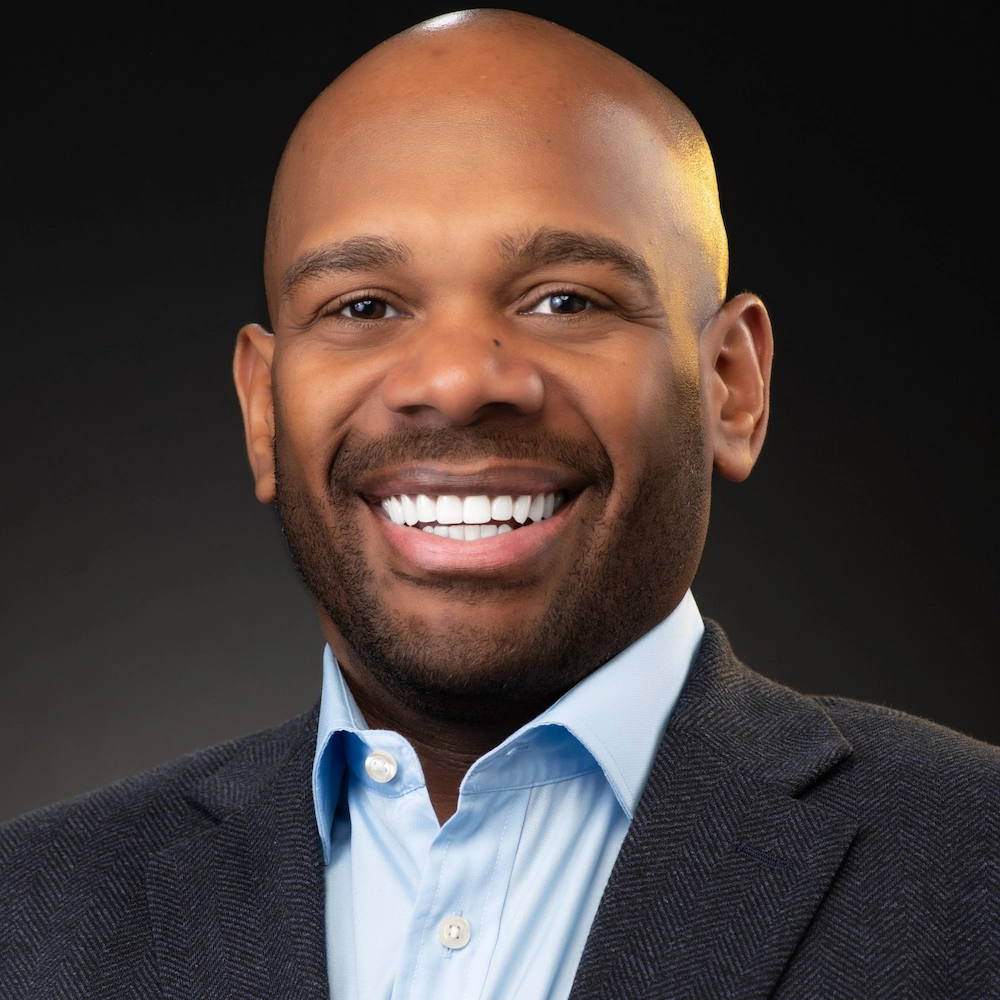
Director’s Bio
Mike Underwood, PhD
Dr. Underwood leads the Division of Adolescent and School Health.
link