USask community research uses virtual reality for Indigenous health education – News
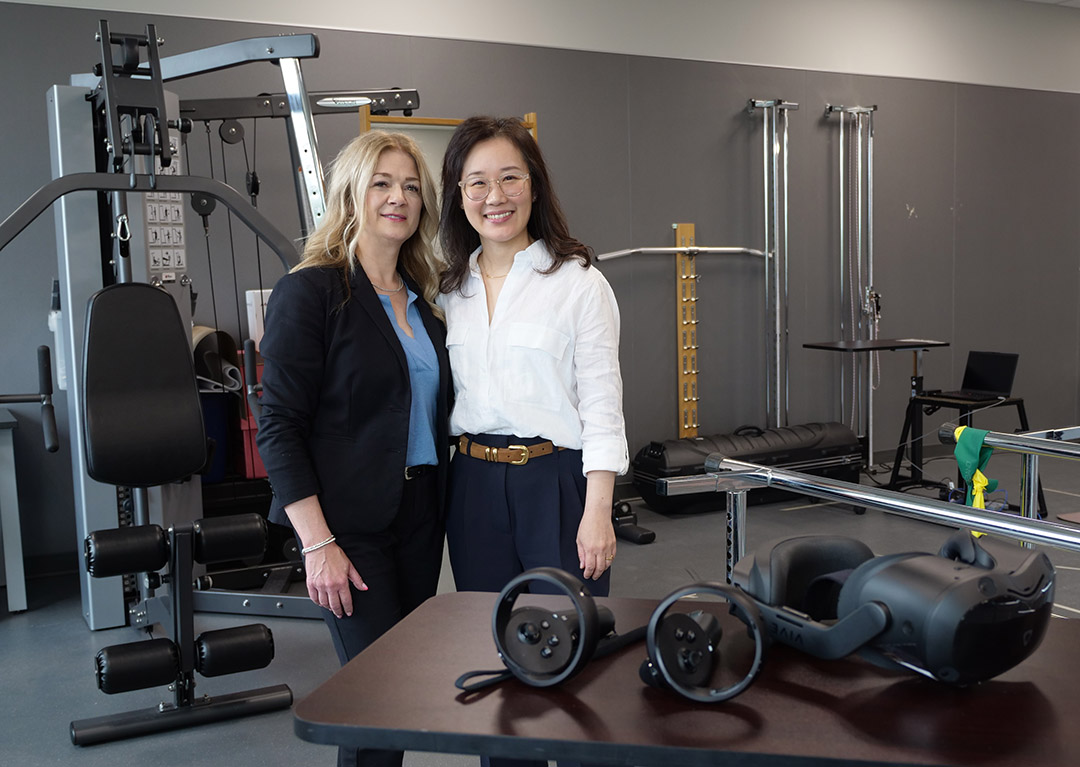
One of the VR projects is creating a three-dimensional, interactive model of a human brain that students can move and manipulate in a VR environment. The different segments of the brain will be loaded with a combination of Western health research about the function of that part of the brain along with traditional Indigenous teachings to tie the two bases of knowledge together.
“The anatomy of the brain is tricky. If you’re learning about bones or muscles, you can manage with two-dimensional images, but with the brain and neurophysiology, it’s much more complex and three-dimensional resources can be tremendously helpful,” Kim said. “I think it will be much more effective and engaging to teach this in a virtual reality environment.”
The second project will use 360-degree video to create a VR version of all health science programs at USask, so prospective students can get a glimpse of the study environment and student experience at USask without having to travel in-person to campus.
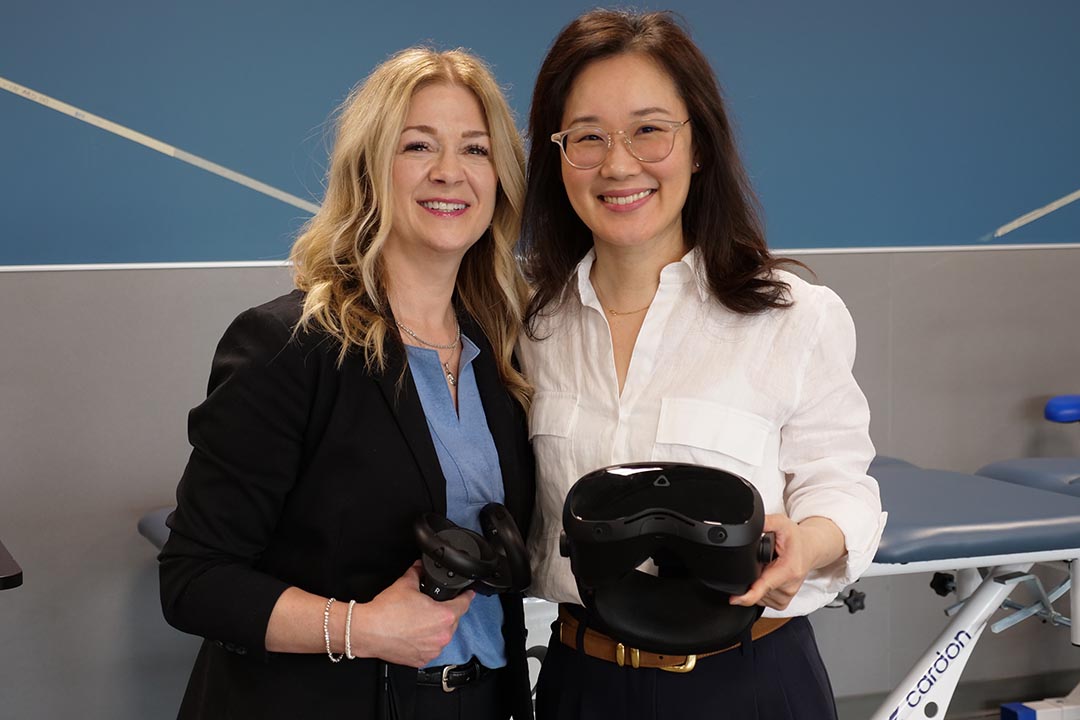
The team isn’t starting from scratch in this project – a previous initiative for Kim and Lovo involved developing a VR musculoskeletal model of the skull and upper spine as an educational resource. Overall, the pair has been exploring VR technology in the health science education space for more than six years.
The new VR projects will include input and knowledge from Elders and community members to ensure the final project is directed by community youth.
Dray Bear, formerly a community development and special projects co-ordinator with Whitecap Dakota First Nation and a member of the Whitecap Dakota community, said Lovo and Kim have already done an excellent job of connecting with youth in the community and getting community input on their work.
“They are making it community-driven, community-based,” he said. “Everything the students want to learn about, and tying in that traditional aspect, really pulls it all together. When they’re in school they’re learning from a Westernized scoop, where they don’t have input or experiential knowledge they can share themselves.”
Bear said it has been a “fun” opportunity for young people with Whitecap Dakota First Nation to engage with the new technology that has helped connect the community, and said resources connecting young Indigenous people with teachings that touch on both health science and mental health is something he never had as a kid.
He lauded Lovo and Kim for being a regular presence in the community, often making the trip to Whitecap Dakota First Nation themselves to further these projects.
The funding from the NFRF is meant to support interdisciplinary, “high-risk/high-reward” Canadian research. Lovo and Kim called this a “proof-of-concept” project that will hopefully lead to more continued development of community-driven and culturally responsive educational tools for Indigenous communities in Saskatchewan and across Canada.
“On this team there are Indigenous scholars, neuroanatomy experts, Indigenous youth advocates, a Knowledge Keeper, students, and more,” Lovo said. “It’s a large, complex team, and all of those folks will be weighing in on the development of what this should look like.”
link